
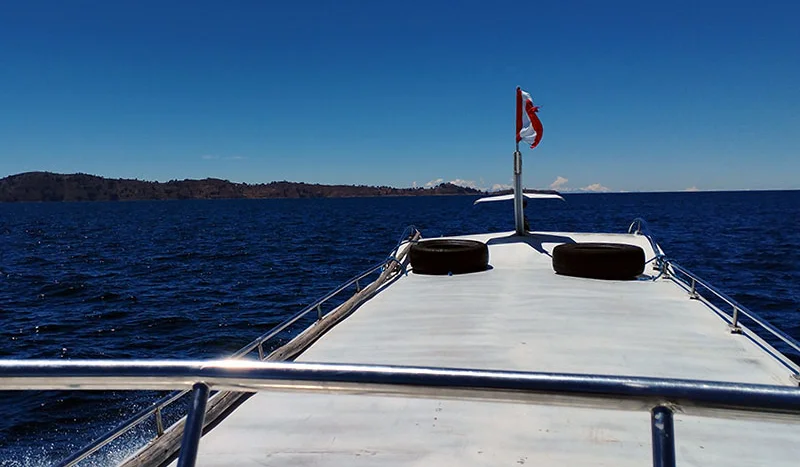
Lake Titicaca is one of the most fascinating destinations in South America and one of the highlights of any trip to Peru. Located high in the Andes at an altitude of 3,812 metres (12,507 ft), it is known as the highest navigable lake in the world and is shared by Peru and Bolivia.
Most travelers visit the Peruvian side of the lake from the city of Puno, where they can explore traditional islands, learn about ancient cultures and enjoy breathtaking views of the Andes. The region is famous for its indigenous communities, colorful traditions and peaceful landscapes.
From the famous Uros Floating Islands to the cultural experiences on Taquile and Amantani, there are many unique activities that make Lake Titicaca one of the most memorable destinations in Peru. Many visitors choose to explore the lake as part of a guided Lake Titicaca tour from Puno, which makes it easy to visit several islands in a single trip.
Why Visit Lake Titicaca
Lake Titicaca is not a stop you pass through on the way to somewhere else. It is one of the few places in Peru where the culture you see is not a reconstruction for visitors, but daily life that has continued largely unchanged for centuries.
Four reasons travelers consistently rank it among the highlights of their trip:
Living Andean culture. The Quechua and Aymara communities around the lake still speak their own languages, farm the same terraces and weave the same textiles their grandparents did. On Taquile and Amantani you are a guest in a working village, not a visitor at an attraction.
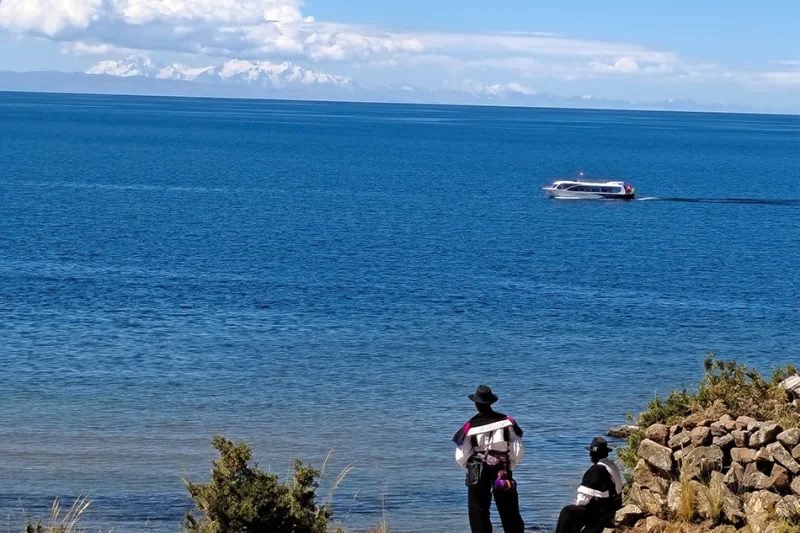
Landscapes you will not see anywhere else. At 3,812 meters (12,507 feet), the light and the colour of the water are unlike any other lake in the world. Deep blue water, reed beds, terraced hillsides and snow-capped peaks on the Bolivian horizon, all in the same view.
Islands with three completely different personalities. The Uros floating islands are built from reeds and move with the water. Taquile is a steep, terraced island famous for UNESCO-recognised weaving. Amantani is where you sleep in a family home. Visiting all three in one trip is the reason most people stay two days.
It is easy to reach and easy to organise. Puno sits on the shore, connected by road and rail to Cusco, Arequipa and Bolivia, and almost every tour departs from its port. You do not need to trek or plan a complex itinerary to see the best of the lake.
Top Things to Do in Lake Titicaca
Whether you are interested in culture, history, landscapes or outdoor activities, Lake Titicaca offers a variety of unforgettable experiences. These are the ten activities travelers should not miss.
1. Visit the Uros Floating Islands
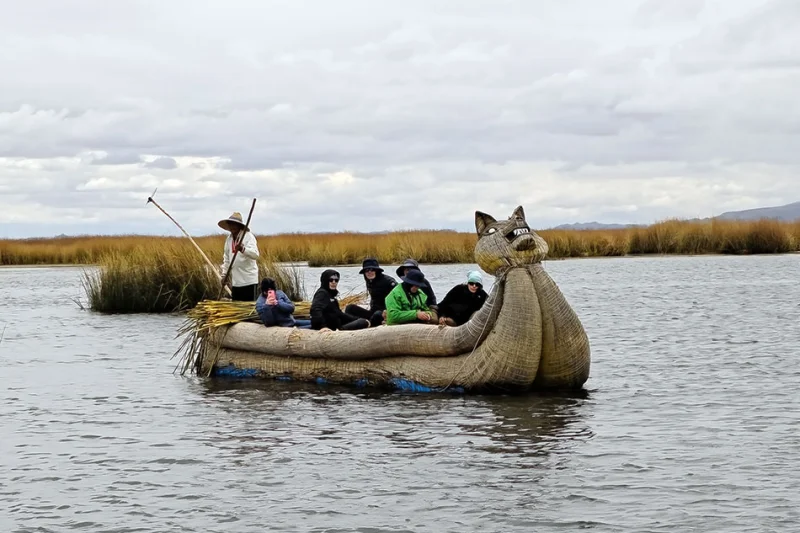
The Uros Floating Islands are one of the most famous attractions on Lake Titicaca. These unique islands are entirely built using totora reeds that grow naturally in the lake. The Uros people have lived on these floating islands for centuries and continue to preserve many of their traditional ways of life.
Visitors can learn how the islands are constructed, see traditional reed houses and even ride on handmade reed boats. It is a fascinating cultural experience that gives travelers a glimpse into the lifestyle of one of the oldest communities in the region.
Most travelers visit the islands as part of a day tour that departs from Puno and lasts a few hours. You can also read our detailed guide to the Uros Floating Islands.
2. Explore Taquile Island
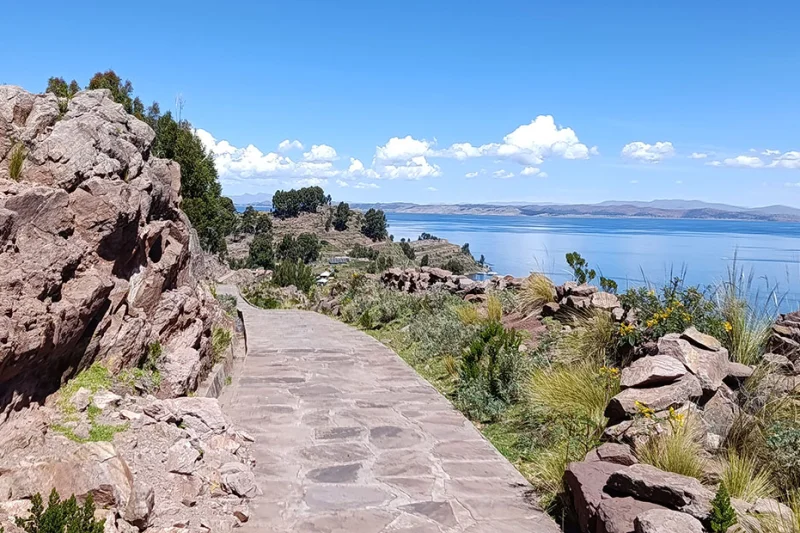
Taquile Island is known for its stunning landscapes, peaceful atmosphere and traditional culture. The island is famous for its handmade textiles, which are recognized by UNESCO as part of the world's cultural heritage.
Visitors can hike along ancient stone paths, enjoy panoramic views of Lake Titicaca and meet local artisans who continue to produce traditional clothing using techniques passed down through generations.
Learn more in our complete Taquile Island guide, or see how to get there in our guide to reaching Taquile Island from Puno.
3. Stay with a Local Family on Amantani Island
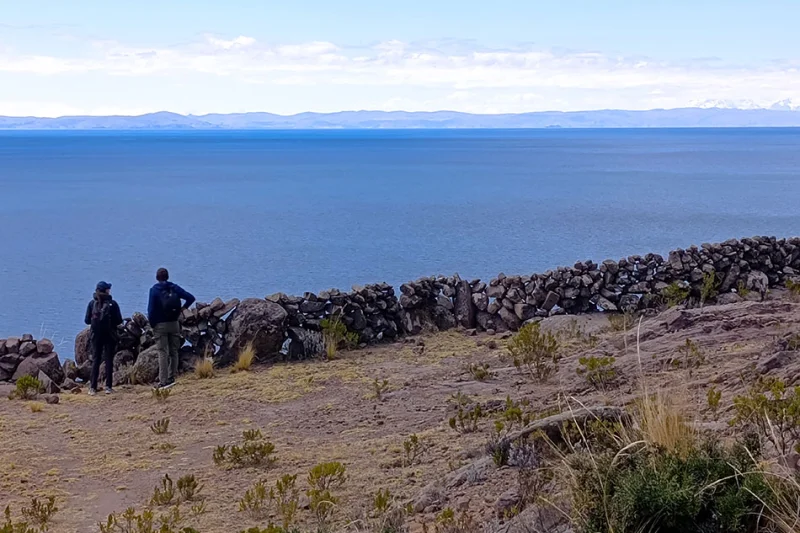
For travelers seeking a deeper cultural experience, spending a night on Amantani Island is one of the most rewarding activities on Lake Titicaca.
Many families on the island welcome visitors into their homes through traditional homestays. Guests can participate in daily activities, enjoy homemade meals and learn about local traditions. Hiking to the temples of Pachamama and Pachatata at sunset offers incredible views of the lake and surrounding mountains.
You can read more in our full guide to Amantani Island.
4. Discover the Culture of Lake Titicaca
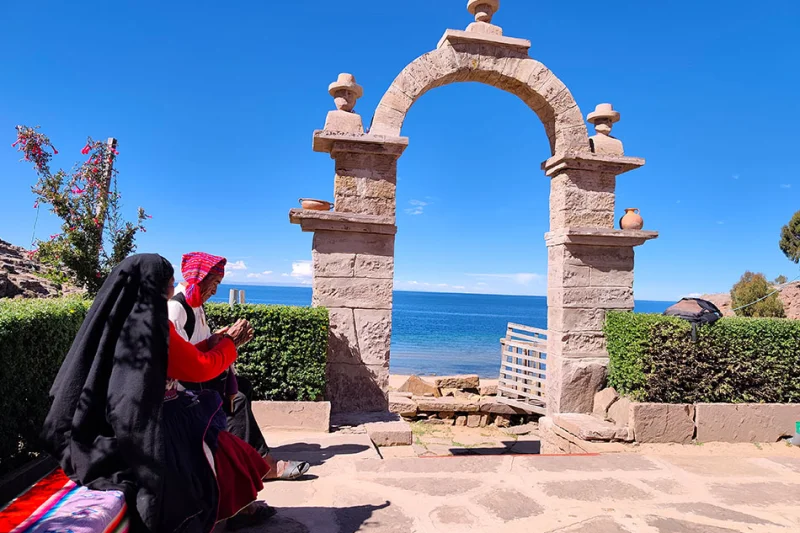
Lake Titicaca is home to several indigenous communities, primarily the Quechua and Aymara peoples. These cultures have lived in the region for centuries and continue to maintain their languages, customs and traditional clothing.
Visitors will often see colorful markets, traditional farming methods and community celebrations that reflect the deep cultural heritage of the Andes. To learn more about the history and traditions of the region, check out our article about Lake Titicaca facts.
5. Enjoy Scenic Boat Tours on the Lake
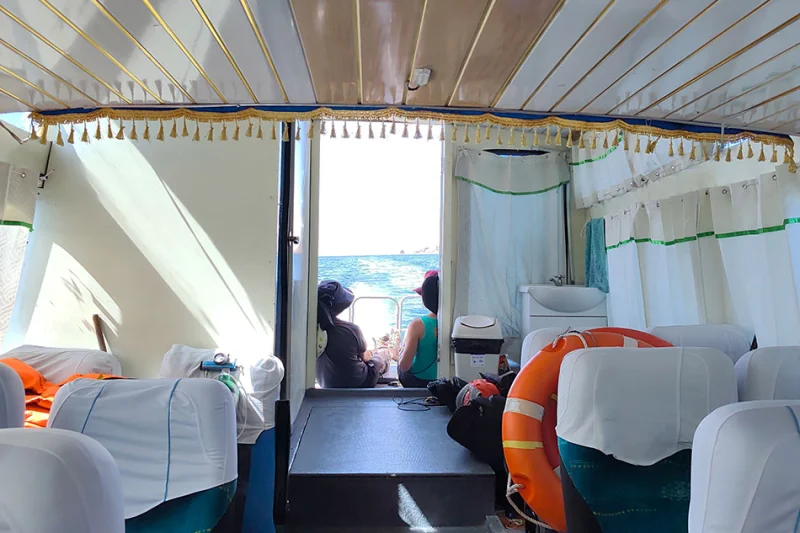
One of the best ways to explore Lake Titicaca is by boat. Tours from Puno take visitors across the vast blue waters of the lake to different islands and communities.
The journey itself is part of the experience. The scenery includes snow-capped mountains, remote villages and peaceful landscapes that make Lake Titicaca one of the most beautiful places in the Andes. Many travelers choose guided tours that combine visits to multiple islands in a single day — see our Lake Titicaca day tour guide.
6. Visit the City of Puno
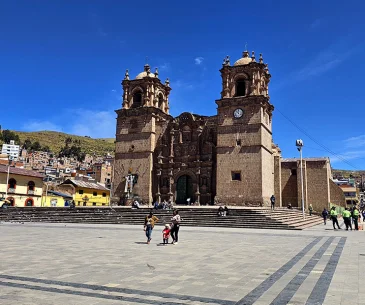
Puno is the main gateway to Lake Titicaca on the Peruvian side. Located on the shores of the lake, it serves as the starting point for most tours and excursions.
The city itself offers several attractions including the historic Plaza de Armas, the Puno Cathedral and local markets where visitors can buy traditional handicrafts. Before exploring the lake, many travelers spend time discovering the city using this Puno travel guide.
7. Go Kayaking on Lake Titicaca
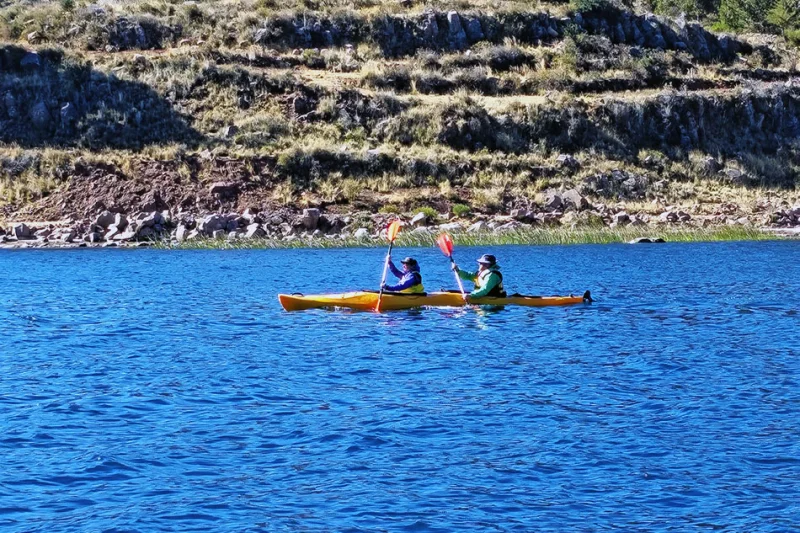
For a more active way to experience the lake, kayaking is unforgettable. Paddling across the still blue water — with snow-capped peaks on the horizon and total silence around you — is a completely different experience from a motorboat tour.
Most kayak trips start from the Capachica peninsula near Llachon and paddle toward Taquile or Amantani. No previous experience is needed, though a reasonable level of fitness helps at this altitude. See our Lake Titicaca kayak day tour or the 2-day kayak to Amantani.
8. Visit the Sillustani Funerary Towers
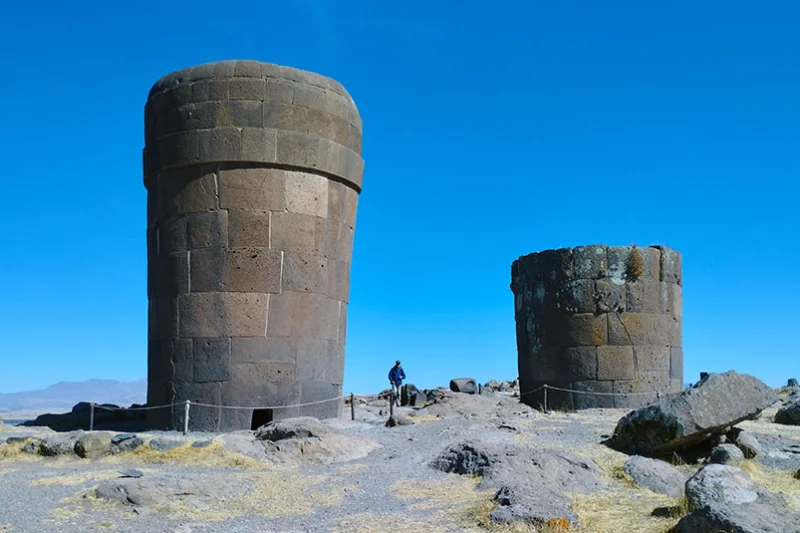
Not everything worth seeing at Lake Titicaca is on the water. On a peninsula overlooking Lake Umayo, half an hour from Puno, stand the chullpas of Sillustani — tall pre-Inca funerary towers built by the Colla people to bury their nobility.
It is one of the most impressive archaeological sites in southern Peru and pairs well with a morning Uros visit, making a full day without spending all of it in a boat.
9. Stay on the Llachon or Luquina Peninsulas
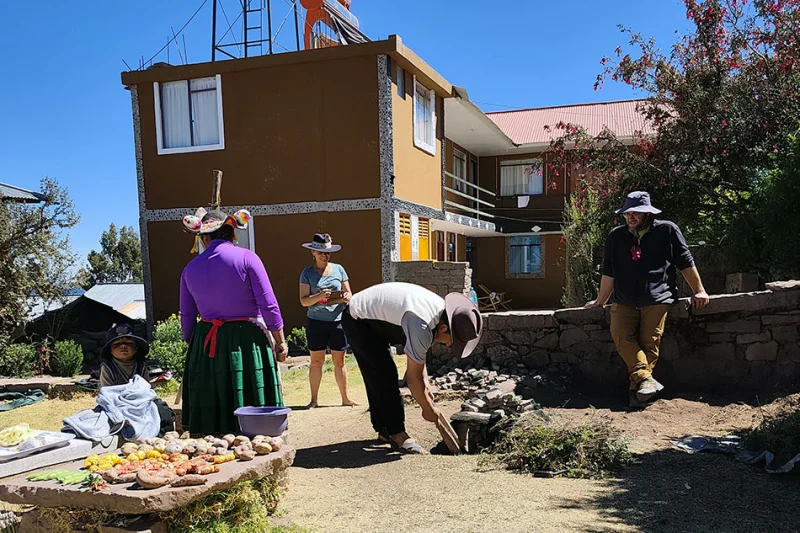
For travelers who want the homestay experience away from the busier Amantani route, the Llachon and Luquina peninsulas on the mainland offer the same warm hospitality with far fewer visitors. You sleep in a family home, share meals, and wake up to uninterrupted lake views.
See our Llachon homestay and Luquina homestay tours.
10. Watch the Sunset Over the Lake
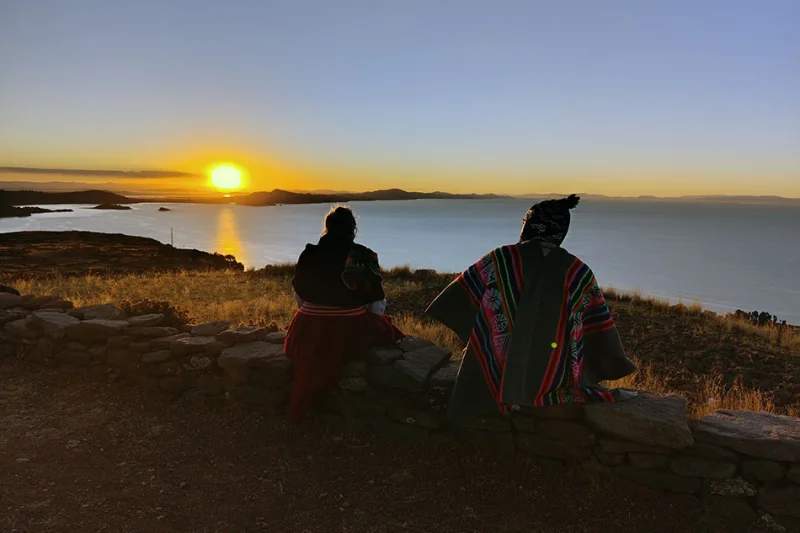
Sunsets over Lake Titicaca are extraordinary — the high altitude and clear air turn the sky deep orange and pink over the water. The best viewpoints are the Pachatata and Pachamama temples on Amantani, reached by a short hike, but even from Puno's lakeshore the evening light is worth stopping for.
The Bolivian Side of Lake Titicaca
Lake Titicaca is shared between Peru and Bolivia, and many travelers combine both sides in a single trip. From Puno it takes around three hours by road to reach Copacabana, the main Bolivian town on the lake, crossing the border at Yunguyo or Desaguadero.
From Copacabana, boats leave for Isla del Sol, the island Inca tradition names as the birthplace of the sun. Its terraced paths, pre-Inca ruins and views back across the water make it the natural counterpart to the Peruvian islands.
If you are continuing into Bolivia after Puno, our guide to the La Paz to Puno bus covers the route, the border crossing and what to expect on the way.
Best Time to Visit Lake Titicaca
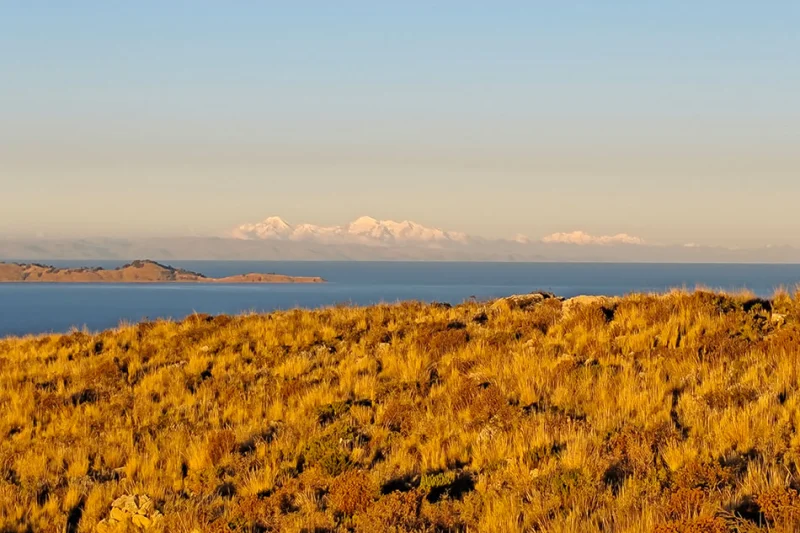
The best time to visit Lake Titicaca is during the dry season from May to October. During these months the skies are usually clear and the lake views are spectacular. The rainy season from November to April can bring afternoon showers, but it is also a quieter time to visit with fewer tourists.
You can learn more about seasonal travel in our article about the best time to visit Lake Titicaca.
How to Get to Lake Titicaca
Most travelers reach Lake Titicaca through the city of Puno. The city is well connected with other major destinations in Peru and Bolivia. Popular travel routes include:
- Cusco to Puno bus — about seven hours with scenic stops
- Cusco to Puno train — the classic altiplano rail journey
- La Paz to Puno bus — from the Bolivian side
How Many Days Do You Need at Lake Titicaca?
Most travelers spend one or two days at Lake Titicaca. One day is enough for the Uros islands and Taquile; two days lets you add an overnight homestay on Amantani, kayaking or Sillustani. For a full breakdown, read how many days in Lake Titicaca.
How Long to Stay and Which Tour to Choose
Most visitors spend one or two days on the lake, and the choice comes down to whether you want to sleep on an island.
One day. A Lake Titicaca day tour from Puno covers the Uros Floating Islands and Taquile Island, returning in the late afternoon. It is the best option if you are passing through between Cusco and Arequipa.
Two days. A Lake Titicaca 2 day tour adds an overnight homestay on Amantani Island, with the hike to the Pachamama and Pachatata temples at sunset. This is the itinerary travelers remember.
Still deciding? Our breakdown of how many days you need in Lake Titicaca compares one, two and three-day itineraries side by side.
If you would rather organise the boats yourself, see how to get to Taquile Island from Puno.
Ready to book? Browse all our Lake Titicaca tours from Puno, including group departures, private boats and the two-day kayak to Amantani.
Final Thoughts on Visiting Lake Titicaca
Lake Titicaca is one of the most unique destinations in Peru and offers travelers a combination of culture, nature and unforgettable landscapes. From the floating islands of the Uros people to the peaceful villages of Taquile and Amantani, and from kayaking to ancient funerary towers, the region provides experiences that cannot be found anywhere else in the world.
Whether you are planning a short visit or a multi-day cultural experience, exploring the lake is an essential part of any trip to southern Peru.
Frequently Asked Questions
What are the best things to do in Lake Titicaca?
The most popular activities include visiting the Uros Floating Islands, exploring Taquile Island, staying with a local family on Amantani Island, kayaking, visiting the Sillustani funerary towers and taking scenic boat tours across the lake.
How many days do you need in Lake Titicaca?
Most travelers spend one or two days. A one-day tour usually includes the Uros Floating Islands and Taquile Island, while a two-day itinerary often includes an overnight stay on Amantani Island.
Is Lake Titicaca worth visiting?
Yes. Lake Titicaca is one of the most unique destinations in South America thanks to its indigenous cultures, floating islands and spectacular Andean scenery.
Can you visit Lake Titicaca without a tour?
Yes, but most visitors prefer organized boat tours because they include transportation, guides and visits to multiple islands.
Where do Lake Titicaca tours start?
Most tours start in the city of Puno, the main gateway to the Peruvian side of the lake.
Can you kayak on Lake Titicaca?
Yes. Kayak tours run from the Capachica peninsula near Llachon toward Taquile and Amantani islands. No experience is needed, though the altitude makes a basic fitness level helpful.
What is there to do in Lake Titicaca besides the islands?
Beyond the islands you can visit the Sillustani funerary towers, kayak on the lake, stay in a mainland homestay on the Llachon or Luquina peninsulas, and explore the city of Puno.
Is one day enough to see Lake Titicaca?
One day covers the main highlights. To go deeper with a homestay, kayaking or Sillustani, plan two days. See our Lake Titicaca day tour guide.
Can you visit both the Peruvian and Bolivian sides of Lake Titicaca?
Yes. Copacabana, on the Bolivian shore, is about three hours by road from Puno, and boats from there reach Isla del Sol. Many travelers cross the border after visiting the Peruvian islands and continue on to La Paz.
Do you need to acclimatize before visiting Lake Titicaca?
Lake Titicaca sits above 3,800 meters, so most visitors feel the altitude on the first day. Arrive rested, drink plenty of water, eat light and avoid alcohol for the first 24 hours. See our guide on how to avoid altitude sickness in Peru.
No available comments