
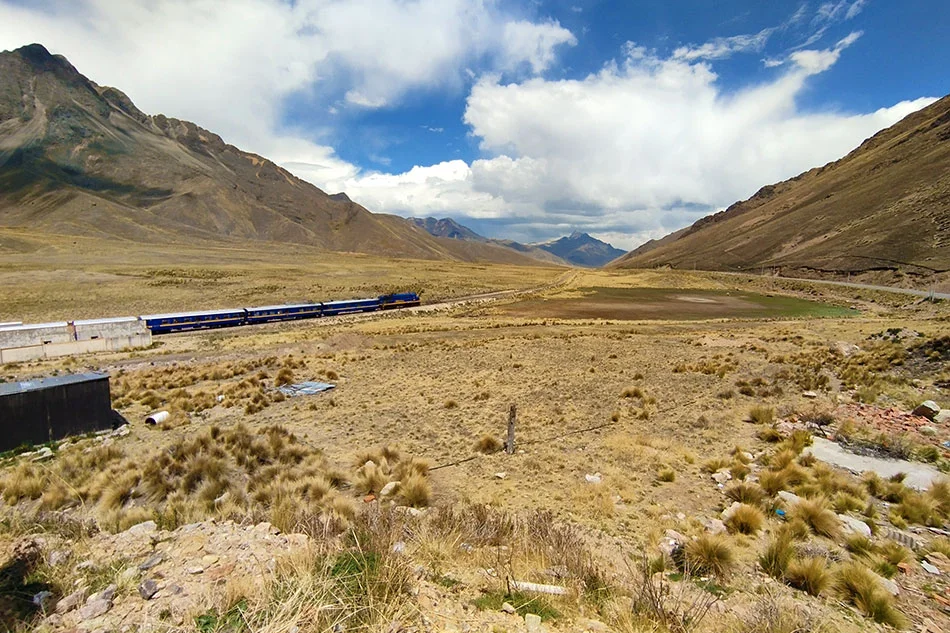
The short version: the PeruRail Titicaca train between Cusco and Puno costs roughly US$250 to US$400 per person, one way, with lunch included. The Andean Explorer, the overnight sleeper on the same route, runs into the thousands.
That is the number. What follows is what sits behind it — what you are actually paying for, the costs people forget to add, and how the price compares to every other way of covering the same 385 kilometres.
Price by service
| Service | Type | Approximate price (one way) |
|---|---|---|
| PeruRail Titicaca train | Daytime, seated | US$250–400 |
| Andean Explorer | Overnight sleeper, 1–2 nights | US$1,500–4,000+ |
Both are operated by PeruRail on the same line, which is why travellers confuse them. They are completely different products. Most people searching for the price of the Cusco to Puno train mean the Titicaca train.
What the price includes
- One-way ticket, Cusco–Puno or Puno–Cusco
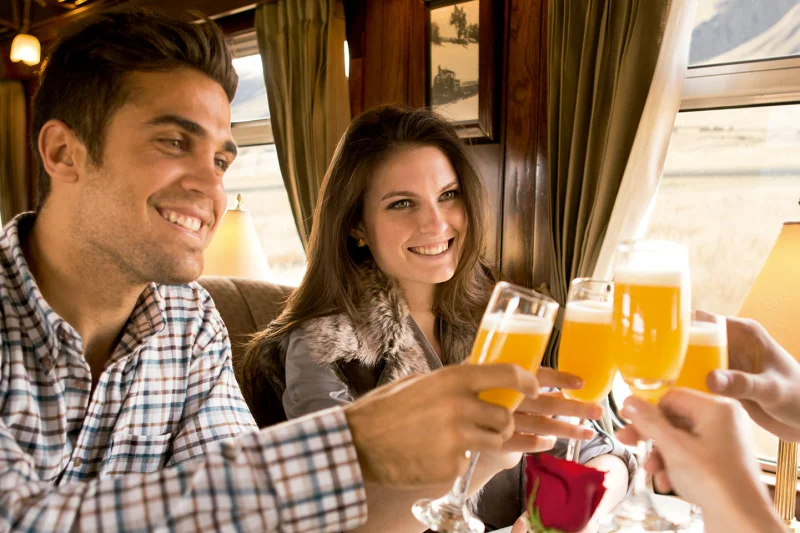
- A three-course lunch served in the dining car
- Access to the observation car and lounge
- Live music and regional dance performances on board
- Luggage allowance of roughly one 8 kg backpack plus one 23 kg checked bag
- The stop at La Raya pass, at 4,335 metres
What it does not include — the costs people forget
The ticket price is not the trip cost. Budget for these as well:
- Station transfers. Wanchaq station in Cusco and Av. La Torre in Puno are not walking distance from most hotels. Roughly US$5–15 each end.
- Drinks beyond the meal service. Wine, cocktails and extra drinks are charged separately.
- Tips. Customary for the on-board crew.
- The return leg. This is the one that catches people out — see below.
Why a round trip costs double
The Titicaca train is sold one way only. There is no round-trip fare and no discount for booking both directions.
If you want to travel Cusco–Puno and back by train, you are buying two separate tickets at full price — realistically US$500 to US$800 per person — and because the service runs only about three times a week, the departure days may not line up with your plans at all.
Almost nobody does this. The usual pattern is train in one direction and road transport in the other.
How the price compares
| Option | Price per person | Time |
|---|---|---|
| Titicaca train | US$250–400 | ~10.5 hours |
| Tourist bus with stops | US$25–70 | ~10 hours |
| Direct local bus | US$10–25 | ~7 hours |
| Private transfer | Varies by group size | ~7 hours |
| Flight via Juliaca | US$80–200 | ~4 hours door to door |
The train is roughly six to ten times the cost of a good tourist bus for a journey of almost identical length. That gap is the whole decision, and we break it down properly in our train versus bus comparison.
Why it costs what it costs
It is fair to ask what justifies the difference. The honest answer is that you are not buying transport — you are buying a day.
The ticket covers a full lunch, a staffed dining car, live performers, an open-air observation deck, and a line that operates only a few times a week across a remote stretch of altiplano. Priced as transport it looks absurd. Priced as a ten-hour guided experience with meals included, it is roughly in line with a premium day tour anywhere in Peru.
Whether that is worth it depends entirely on whether a scenic rail journey is something you actively want, or just how you happen to be getting to Puno.
How to pay less
There are no promotional fares or discounts to hunt for on this route, but a few things help:
- Travel in shoulder season. April and October have lower demand than June to August.
- Book one direction only. Train one way, road the other — this is what most travellers do.
- Book directly with PeruRail. Resellers add a margin on top of the published fare.
- Book early in high season. Not because it is cheaper, but because the limited departures sell out and you lose the option entirely.
The alternative most travellers do not know about
If the price is what is making you hesitate, there is a middle option between an expensive train and a plain bus transfer.
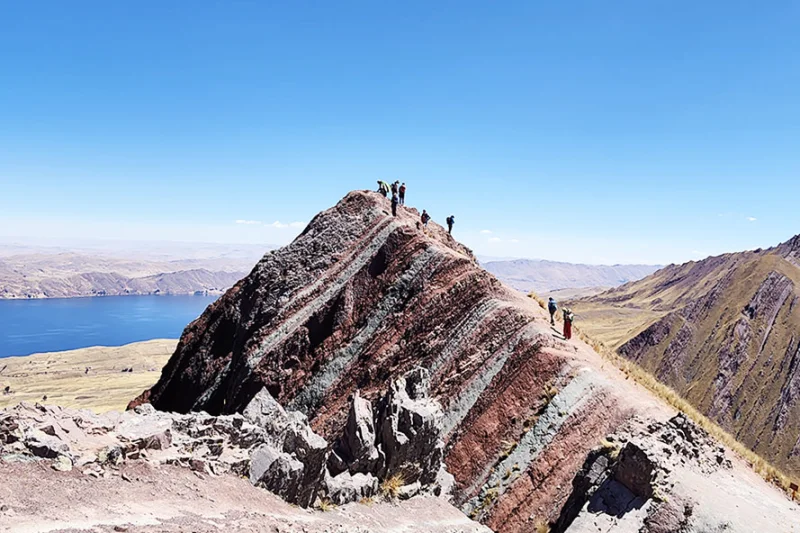
Our Pallay Punchu tour from Puno to Cusco turns the transfer day into the trip itself: you cover the same route and visit Pallay Punchu — a striped mountain with the same geology as Rainbow Mountain but almost none of the crowds — in route, at a fraction of the train fare.
Frequently asked questions
How much is the Cusco to Puno train?
Roughly US$250 to US$400 per person one way on the PeruRail Titicaca train, including a three-course lunch. The Andean Explorer sleeper service costs several thousand dollars.
Is lunch included in the Cusco to Puno train price?
Yes. A three-course lunch in the dining car is included in the Titicaca train fare. Additional drinks are charged separately.
Is there a round trip discount?
No. The service is sold one way only, so a return journey means two full-price tickets, and the limited weekly departures may not align with your dates.
Is the Cusco to Puno train worth the price?
It is if a scenic rail journey is something you want in itself. If you mainly need to reach Puno, a tourist bus covers the same route in similar time for six to ten times less.
Where is the cheapest place to buy tickets?
Directly from PeruRail. Third-party resellers add a margin, and there are no promotional fares on this route.
What is the cheapest way to travel from Cusco to Puno?
A direct local bus, at roughly US$10 to US$25, taking about seven hours. A tourist bus with archaeological stops costs US$25 to US$70 and turns the transfer into a sightseeing day.
Still deciding?
Our full Cusco to Puno train guide covers schedules, the route and what the journey is actually like. If you are weighing it against the road, start with the train versus bus comparison.
No available comments