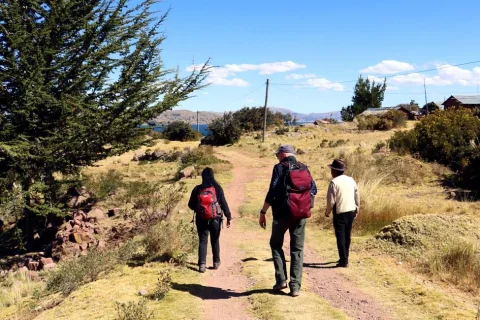
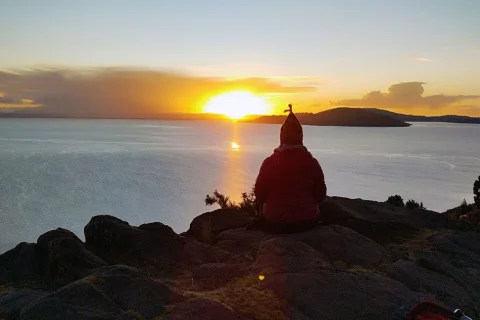
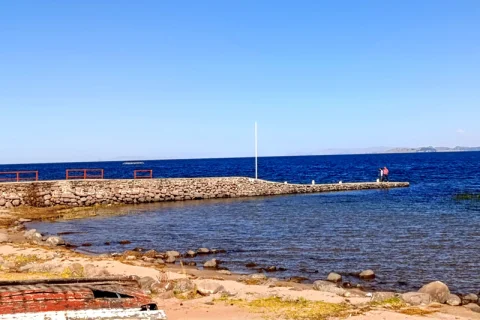
Lake Titicaca is one of the most fascinating destinations in South America and a highlight of any trip through the Peruvian Andes. Sitting at 3,812 metres (12,507 ft) above sea level, it is the highest navigable lake in the world — and home to island communities that have preserved their traditions for centuries.
We are a Puno-based tour operator and run day tours, overnight homestays, kayaking and private trips across the lake. Below you'll find our full range of Lake Titicaca tours; here is what to know before you choose one.
Why Visit Lake Titicaca
Lake Titicaca offers a rare combination of living Andean culture and high-altitude landscape you won't find anywhere else:
- Indigenous island communities that maintain centuries-old traditions
- The Uros floating islands, built entirely from totora reeds
- Taquile's weaving, recognised by UNESCO
- Overnight homestays with local families on Amantani and the peninsulas
- Some of the clearest night skies in the Andes
The Islands of Lake Titicaca
Uros Floating Islands
The most famous attraction on the lake — a group of islands built and rebuilt from totora reeds, where the Uros people have lived for generations. Houses, boats and watchtowers are all made from the same reed. It is the closest island to Puno and included in almost every tour.
👉 Full Uros floating islands guide
Taquile Island
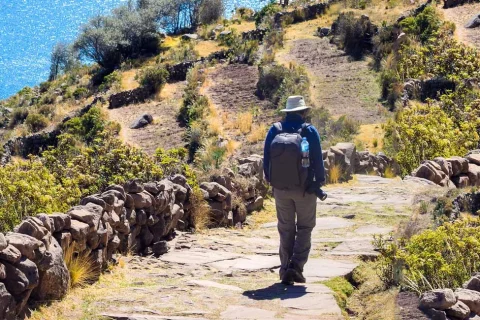
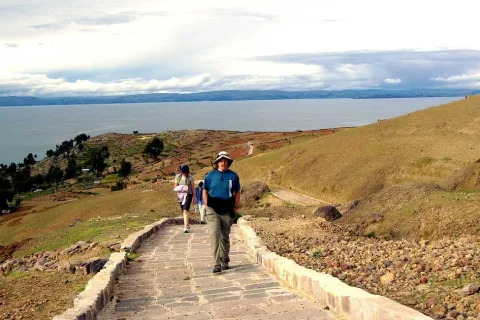
Known for its extraordinary textile tradition, recognised by UNESCO. Visitors walk up through agricultural terraces to a village with sweeping views of the lake, and can buy weavings directly from the community that makes them.
👉 Full Taquile island guide
Amantani Island
The most peaceful of the three, and the one travellers remember most — because you stay overnight with a local family. Amantani is where the two-day homestay tours spend the night, sharing meals and daily life with the community.
👉 How to visit Amantani from Puno
Choosing Your Lake Titicaca Tour
Which tour is right for you depends mostly on how much time you have:
- One day: Uros + Taquile. The highlights, efficiently. See our Lake Titicaca day tour guide.
- Two days: Uros, Amantani homestay and Taquile — the full cultural experience with an overnight on the lake.
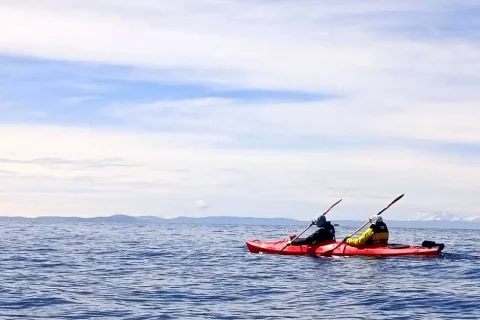
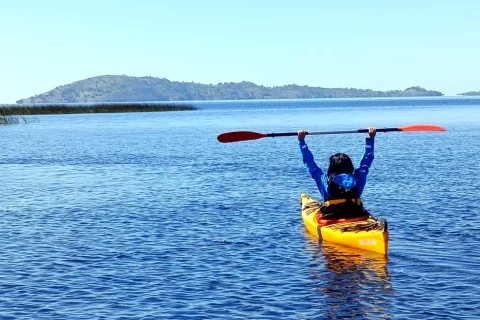
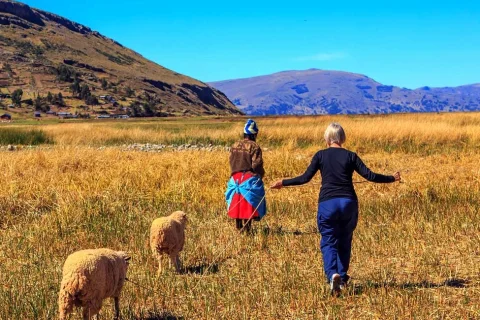
- Something different: kayaking to Amantani, or a homestay on the Llachon and Luquina peninsulas, away from the busier routes.
👉 Still deciding? Read how many days in Lake Titicaca.
How to Get to Lake Titicaca
From Cusco
The journey takes about seven hours by bus, and the tourist bus stops at archaeological sites along the way. See our Cusco to Puno bus guide, or if you prefer the rail journey, our Cusco to Puno train guide.
From Lima
Fly to Juliaca, the closest airport, then continue about one hour by road to Puno.
Best Time to Visit Lake Titicaca
The dry season between May and October brings sunny days and clear skies, ideal for exploring the islands. The rainy season from November to April is greener and quieter with occasional showers.
👉 Full best time to visit guide
Travel Tips
- Take a day to acclimatise to the altitude before your tour — Puno is higher than Cusco.
- Bring warm layers; temperatures drop sharply on the water and at night.
- Plan at least one full day, ideally two, to do the lake justice.
👉 New to the altitude? Read our guide on avoiding altitude sickness in Peru.
Lake Titicaca Travel Guides
Lake Titicaca FAQs
Where is Lake Titicaca located?
In the Andes on the border between Peru and Bolivia. Most travellers visit the Peruvian side from the city of Puno.
How many days should I spend at Lake Titicaca?
One day covers the highlights (Uros and Taquile); two days lets you add an overnight homestay on Amantani for a deeper cultural experience.
What are the most famous islands of Lake Titicaca?
The Uros Floating Islands, Taquile Island and Amantani Island, each with its own culture and landscape.
What is the best time to visit Lake Titicaca?
The dry season from May to October, when skies are usually clear and sunny.
How do I get to Lake Titicaca from Cusco?
Most travellers take the bus from Cusco to Puno, about seven hours, or the scenic train.
How much do Lake Titicaca tours cost?
Day tours start from around US$15–60 per person depending on the islands visited. Two-day homestay tours start from around US$38–52. See live prices below.

 2 days