
Overview
The Palcoyo Rainbow Mountain from Cusco to Puno route combines two of southern Peru's biggest highlights into a single, well-paced day. Rather than returning to Cusco, travelers who take this journey use the hike to Palcoyo as the gateway into a longer overland crossing that ends on the shores of Lake Titicaca, in Puno. It's an efficient way to see a remote mountain landscape without sacrificing a full day of transport.
The day begins early, departing Cusco and driving south through the Vilcanota valley toward the town of Cusipata, where a hearty Andean breakfast is served before the real adventure starts. From there, a short detour on a dirt road leads to the trailhead near 4,700 meters above sea level, the starting point for a gentle walk of around 45 minutes to an hour up to the Palcoyo viewpoint.
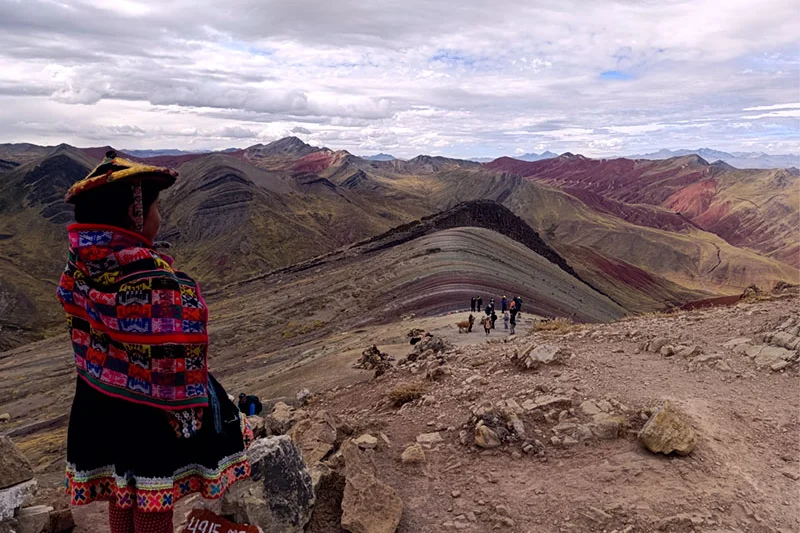
Unlike its more famous neighbor Vinicunca, Palcoyo offers three distinct rainbow-striped mountains rather than one, along with a curious stone forest at the summit and sweeping views of the snow-capped Ausangate range. The trail is considered easier and less crowded, making it a comfortable option for travelers who still want the classic "mountain of colors" experience.
After the hike, the route continues south along the Cusco-Puno highway, crossing the high Andean plateau and the La Raya pass before descending toward Juliaca and finally Puno. Arriving in Puno in the late afternoon or evening puts travelers within easy reach of Lake Titicaca's floating and island communities — Uros, Taquile, Amantani, Llachon, and the more remote Luquina peninsula — as well as onward trips toward Colca Canyon for those continuing south.
This single-day itinerary is best suited to travelers who want to trade a scenic mountain trek for a direct transfer south, rather than backtracking to Cusco, making the most of a long travel day between two of Peru's top destinations.
What to Bring for the Palcoyo Rainbow Mountain Tour
This hike reaches close to 4,900 meters but involves a shorter, gentler walk than other rainbow mountain routes. Here's what to pack:
- Warm layers (temperatures can drop below freezing early morning and after sunset)
- Waterproof jacket or poncho, since weather changes quickly at altitude
- Comfortable walking shoes or light hiking boots
- Sunscreen, sunglasses and a hat — UV exposure is intense at this elevation
- Reusable water bottle (1.5–2 liters recommended)
- Small daypack for cameras, snacks and personal items
- Cash in soles for entrance fees or snacks
- Personal medication and any altitude sickness remedies (coca leaves or tea are available locally)